



After a pandemic-induced lull, the global hospitality industry began to come back to life in 2022. This comeback ramped up in 2023, marked by a resurgence in tourism and a shift in guest preferences.
Hospitality businesses, having weathered the storm, have emerged with a redoubled focus on technology and improving the guest experience. Adopting new travel trends has pushed the hotel industry into an all-new market paradigm.
This article delves into the major changes that affected the sector, exploring the hospitality trends, technological innovations and market shifts that defined the industry in 2023.
Véase también:
- Las 10 herramientas imprescindibles que debes incorporar a tu conjunto de tecnologías para el sector hotelero en 2024
- Tendencias tecnológicas en el sector hotelero que están transformando la experiencia del cliente
- Más allá de lo habitual: tendencias en hoteles de lujo a tener en cuenta en 2024
The post-pandemic phoenix
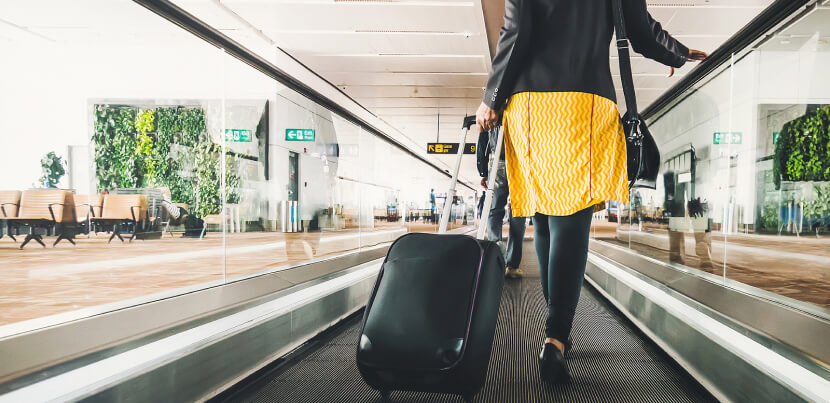
The global hospitality industry, having weathered the storm of lockdowns and travel restrictions in the wake of COVID-19, continued its much-anticipated revival in 2023. With a surge in tourists eager to explore the world again, hoteles de lujo are at the crest of this resurgence.
The industry’s agility in responding to the changed preferences of travelers — marked by a strong shift towards safety, efficiency and uniqueness — has been instrumental in this remarkable recovery.
Tourism in 2023 witnessed a profound shift in customer expectation. More travelers than ever are seeking personalized and immersive experiences over conventional tourist destinations. As we observed when we looked at millennial and Gen Z travel trends shaping the future of hospitality, these younger cohorts of travelers tend to seek out unique destinations and authentic experiences that will give them a taste of the local culture (to say nothing of bragging points on social media).
Hotels, quick to adapt, are rapidly retooling their offerings to meet the demand for authenticity and exclusivity. The industry has moved beyond the standard checklist of amenities to curate unique, off-the-beaten-path adventures.
Spotlight on sustainability
La sostenibilidad en el sector hotelero es un buen negocio. In some cases, it has become a focal point, with luxury hotels promoting eco-friendly practices. This ranges from offering vegetarian or vegan menus to adopting renewable-energy technologies, aligning with the growing global emphasis on environmental responsibility.
Increased efficiency in energy management, through the use of technologies like smart thermostats and occupancy sensors, is helping hotels optimize energy consumption — simultaneously lowering costs and attracting sustainability-minded clientele.
Moreover, the integration of co-working spaces within many hotels is a sign of a new market. With remote work becoming more common, hotels are transforming into remote working HotSpots, providing amenities such as ample plug sockets, free high-speed Wi-Fi, meeting rooms and great coffee to cater to both viajeros de «bleisure» y nómadas digitales.
The road to wellness
Turismo de bienestar trips have become a priority for many consumers. According to the Informe de American Express sobre las tendencias mundiales en viajes de 2023, 73% de los encuestados indicaron que están planificando sus vacaciones con el objetivo de mejorar su salud física y emocional; 68% afirman que eligen destinos turísticos cercanos a la naturaleza para mejorar su claridad mental, y 43% señalan que han elegido un hotel por sus servicios de spa y bienestar.
This trend can be a real boon for the hospitality sector, because, as the Global Wellness Institute reports, wellness tourists have deep pockets, gastar 177% más que un viajero medio cuando viaja por el país, y 35% más cuando viaja al extranjero.
To meet the growing demand, many hotels and resorts cater to these well-heeled travelers by incorporating wellness services and amenities into their offerings, providing guests with state-of-the-art fitness centers, spa facilities and healthy dining options that focus on local cuisine.


Luxury hotels are embracing technology
Having learned invaluable lessons during the pandemic, luxury hotels are embracing technology as a cornerstone of their operations. The contactless experience, once an exception, has become the norm. From mobile apps and contactless payments to robotic room service, modern hotels are leaning more and more on technology to enhance the customer experience.
This can help streamline hotel operations, and it also addresses health and safety concerns, providing guests with a secure and comfortable stay.
In a bid to differentiate themselves in this competitive landscape, luxury hotels are going above and beyond to provide exclusive amenities and personalized guest experiences tailored to individual tastes and preferences.
Personalization boosts customer satisfaction
Personalized concierge services, private dining experiences with renowned chefs and access to exclusive cultural events are just a few ways of creating a bespoke offering for each guest. This is possible only due to the massive productivity gains from advances in hotel automation, self-service solutions and other tecnología para el sector hotelero.
Guest data, moreover, is the real driver of these personalized experiences. In a informe sobre cómo está cambiando la experiencia de los huéspedes, Deloitte noted that “The principle of knowing guests is and has always been at the core of understanding and delivering an exceptional hotel guest experience. “
Dan Kornick, director de sistemas de información de Loews Hotels, se hizo eco de esa opinión en un informe de Skift y Oracle titulado “La hostelería en 2025”: “The future of hotel technology is about a service culture and a personalized approach at the end of the day, whether it “™s through technology or through that high touch experience. And knowing the customer and that data is really the key, the holy grail to it all. “
AI’s impact on the hotel industry

As luxury hotels settled into this transformative phase and began relying more on data-driven decisions, the artificial intelligence (AI) revolution swept across the industry. Artificial intelligence, once a novelty, is now now one of the leading hospitality technology trends transforming the hotel industry. From predictive analytics optimizing room allocations to AI-powered chatbots providing instant guest assistance, AI and machine learning natural are radically reshaping the luxury hotel landscape.
The AI revolution has become a pivot point for the industry, nudging hotels to recalibrate their operational models. For instance, renowned chains like Four Seasons have seamlessly integrated AI for predictive guest service.
The adoption of AI extends beyond back-end operations to guest interactions, providing a more personalized and responsive experience. Chatbots assist guests with inquiries, provide recommendations and allow 24/7 communication.
Analytics increase operational efficiency
AI-driven predictive analytics, meanwhile, have become instrumental in optimizing operations. From forecasting demand to managing inventory, hotels use AI to streamline processes, increasing efficiency and cost-effectiveness.
This not only contributes to improved service delivery but also enables hotels to make better, data-informed decisions, a necessity for long-term competitiveness and business sustainability.
For example, one strategy that many hotels employ is dynamic pricing. This approach relies on algorithms to set prices for hotel rooms, making adjustments in real time based on current supply and demand.
This means that hotel managers don “™t have to continually review market activities to determine the best competitive pricing for any given date. The algorithm accounts for factors such as seasonality and competitor pricing, and the system then sets the best possible rate to maximize profit.
Balancing technology and the human touch

As the hospitality industry marches forward in 2023, many hotels find themselves at the crossroads of tradition and innovation. Embracing AI and advanced technologies has become a necessity for staying competitive, yet the essence of hospitality lies in creating unforgettable experiences.
While big hotels are wholeheartedly embracing technology, they should remain aware that a fusion of technology and the human touch — along with the art of storytelling — is still the key to perfect guest experiences.
While AI can streamline routine tasks and complement guest experiences, the warmth of personal interactions and an intuitive human understanding of guests’ needs remain irreplaceable. The key is to give guests the power of choice.
Laura Calin, vicepresidenta de Estrategia y Gestión de Soluciones de Oracle Hospitality, declaró a Hospitality Net que incluso la infraestructura tecnológica más sofisticada funciona mejor cuando se utiliza junto con empleados que puedan estar presentes en el establecimiento para ofrecer a los clientes una interacción humana. Calin escribió::
There are still many customers who still place an emphasis on in-person services and prefer to come into a hotel and check in with a receptionist. Other guests may prefer to do it all on their phones and simply pick up their key, but even they would prefer to have a real human nearby in case they run into any errors or have questions throughout the process. The best way to employ technology is as a means of providing as many choices as possible and allowing each guest to choose what best serves their needs.

The future of luxury hospitality
Reflecting on the innovations in the hotel industry in 2023, it is evident that the synergy between technology and the human touch will define the future of hospitality services. Many hotels, having weathered the storm, are not merely bouncing back but are emerging stronger and more resilient.
The lessons learned during the pandemic have propelled the hospitality industry into a new era, one in which adaptability, innovation and absolute guest satisfaction are non-negotiables.
While technology plays a pivotal role in reshaping the hospitality industry, maintaining a balance between luxury and efficiency, staying informed about new trends and prioritizing the experiencia del cliente will define the success of hospitality establishments in the years to come.


 English
 French
 German
 Italian
 Portuguese
 Spanish