


It can be hard to keep up with the flood of information we are exposed to on a daily basis, and even harder to sort truth from fiction. Media literacy (alternatively known as information literacy) is a skill set that empowers individuals to be active participants in today’s information-saturated world, and not merely passive consumers of media messages.
Many public libraries offer media-literacy education programs designed to equip them with the skills to differentiate between genuine information and manipulated content. Through workshops, seminars and one-on-one discussions, librarians are helping to ensure that members of their communities develop the skills they need to become informierte und engagierte Bürger.
Was versteht man unter Medienkompetenz?
Das in den USA ansässige Zentrum für Medienkompetenz definiert Medienkompetenz wie folgt:
Medienkompetenz ist ein Bildungsansatz des 21. Jahrhunderts. Sie bietet einen Rahmen für den Zugang zu, die Analyse, die Bewertung, die Erstellung und die Auseinandersetzung mit Botschaften in den unterschiedlichsten Formen – von Printmedien über Videos bis hin zum Internet. Medienkompetenz vermittelt ein Verständnis für die Rolle der Medien in der Gesellschaft sowie grundlegende Fähigkeiten zur kritischen Auseinandersetzung und zum selbstbestimmten Ausdruck, die für Bürger einer Demokratie unerlässlich sind.
Media literacy is the ability to critically engage with media content, understanding its sources, intentions and potential biases. Media literacy empowers people to apply critical thinking to their daily consumption of print newspapers, TV shows, podcasts, social media and other sources of content.
Why are media literacy skills important?
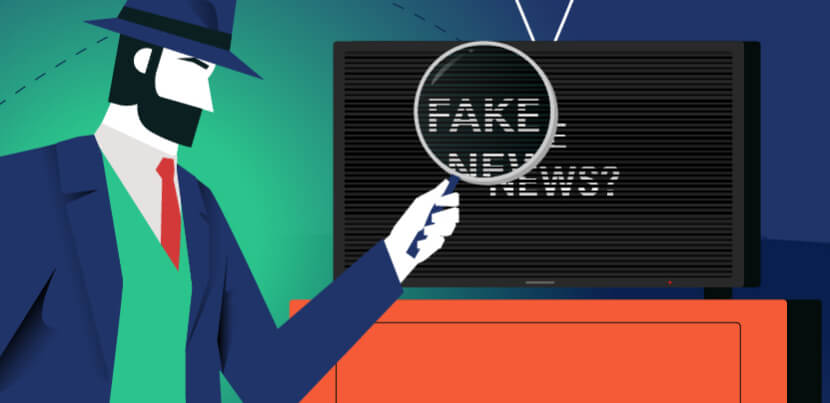
The sheer volume of content we encounter every day can be overwhelming. Sorting credible sources from misleading ones is a crucial ability. Media literacy is not just a skill but a shield, protecting us from misinformation. It empowers individuals to evaluate the media messages they consume with a critical eye, ensuring they make more informed decisions.
Our mass-media age has given us unprecedented access to information, but it’s a double-edged sword. Along with all that great content has come rise of fake news and the insidious spread of misinformation. Online, anyone can publish anything. And with increasingly sophisticated graphic design tools and video editing software, distinguishing trustworthy professional outlets from unverified sources is getting harder.
Mit künstliche Intelligenz advancing at a rapid pace, it has become still more difficult to know whether or not what we are reading, watching or hearing is genuine.
How media literacy builds democracy
There is an inherent link between media literacy and civic engagement. That’s because media and information literacy can empower active citizens to participate in democratic discourse.
According to the United Nations Educational, Scientific and Cultural Organization’s Leitlinien für Richtlinien und Strategien zur Medien- und Informationskompetenz, kann die Vermittlung von Medienkompetenz zu einer stärkeren Bürgerbeteiligung an der Gesellschaft führen, was folgende positive Auswirkungen haben kann:
- Aktivere und demokratischere Teilhabe: UNESCO cites scholarly research suggesting that in addition to having positive effects on academic outcomes, information literacy and media literacy predispose citizens towards taking a more active role in society. Media and information literacy (MIL) “is a basis for freedom of expression, access to information and quality education for all, ” the guidelines read. “Without MIL competencies, citizens cannot be well informed because they do not have access to information and are not empowered to process and use it. “
- Bewusstsein für ethische Verantwortlichkeiten im Rahmen der Weltbürgerschaft: Medienkompetenz vertieft das Verständnis der Bürger für Grundrechte wie Meinungs-, Ausdrucks- und Kommunikationsfreiheit sowie für das Gleichgewicht zwischen diesen Rechten und ethischen Verpflichtungen auf persönlicher und gesellschaftlicher Ebene. Indem sie diese Verpflichtungen mit dem Konzept der Weltbürgerschaft verknüpft, befähigt die Medienkompetenzbildung alle Bürger, die Rechte anderer zu achten und zu fördern.
- Förderung von Vielfalt, Dialog und Toleranz: MIL fördert eine stärkere Einbindung der Gesellschaft und ist damit ein wirkungsvolles Instrument, um den interkulturellen Dialog, Toleranz und kulturelles Verständnis in verschiedenen Bereichen der Gesellschaft und in allen Altersgruppen zu fördern.
The connection between media literacy and traditional literacy
Because reading is fundamental, the firmest foundation upon which to build media-literacy skills is literacy itself. Traditional literacy matters because the more you read, and the better you are at it, the more able you are to do so critically.
Da Internet Matters points out:
Reading for pleasure (i.e. children choosing books to read instead of reading for school) is important for improving literacy in young people. It has many benefits, including general reading and writing ability as well as a larger vocabulary, better decision-making insights and better comprehension of what they read in other spaces like social media.
A report from the UK’s National Literacy Trust lends more weight to this notion. In a survey of 7,494 young people aged 11 to 16, 71% of those with high literacy engagement said that they take time to think about whether news stories are true or not. In contrast, 40.5% of respondents with low literacy engagement reported doing this.
Many more students with high literacy engagement said that they take time to think about whether news stories are true or not. Seven in 10 (71.0%) of this group said they did this compared with 2 in 5 (40.5%) of respondents with low literacy engagement.
According to the report, “more of those with high literacy engagement said they know how to check if the information they find online is true (77.7% vs. 60.0%) and how to check who has written something online and decide whether they can trust them (71.6% vs. 51.3%). ”
The rise of AI and the challenge of misinformation
Artificial intelligence is an amazing technological advancement, a powerful tool that libraries (especially those at academic institutions) can use to streamline their operations and improve the quality of their services.
Outside of the library sphere, some have pegged AI as the future of the hospitality industry, with the technology enhancing intelligente Hotelzimmer and even improving the hotel employee experience.
The downside is that the same tools that make all those things possible can be used by bad actors engaging in disinformation campaigns und spreading hate speech.
Even AI can’t detect AI
There may come a day when the best identifier of AI-generated text is AI itself. Unfortunately, that day has yet to arrive, and even the reigning champion of generative AI has proven fallible.
In January of 2023, OpenAI announced with great fanfare that it had trained a “classifier” that would be able to distinguish between text written by a human and text written by large language model-based chatbots from a variety of providers (and not just its own ChatGPT).
Six months later, OpenAI admitted defeat in an updated blog post:
As of July 20, 2023, the AI classifier is no longer available due to its low rate of accuracy. We are working to incorporate feedback and are currently researching more effective provenance techniques for text, and have made a commitment to develop and deploy mechanisms that enable users to understand if audio or visual content is AI-generated.
How to spot a bot
There are, however, a number of online tools that can detect AI-generated text, including Copyleaks, Sapling und Winston. The challenge is that as each generation of large language model gets more sophisticated, the better the bots become at fooling these apps.
In einem Artikel für den Blog „BBC Future Now“, freelance journalist Alex O’Brien noted that the real challenge for humans as AI-produced writing spreads is that “we probably cannot rely on tech to spot it. A skeptical, inquisitive attitude toward information, which routinely stress-tests its veracity, is therefore important…. The war on disinformation has already shown us that automated tools alone do not suffice, and we need humans in the loop. ”
Fortunately, we can all learn the skills to differentiate between genuine information and AI-generated content, and to separate the truth from intentional disinformation. Librarians have a major role to play.
Librarians: champions of media literacy education
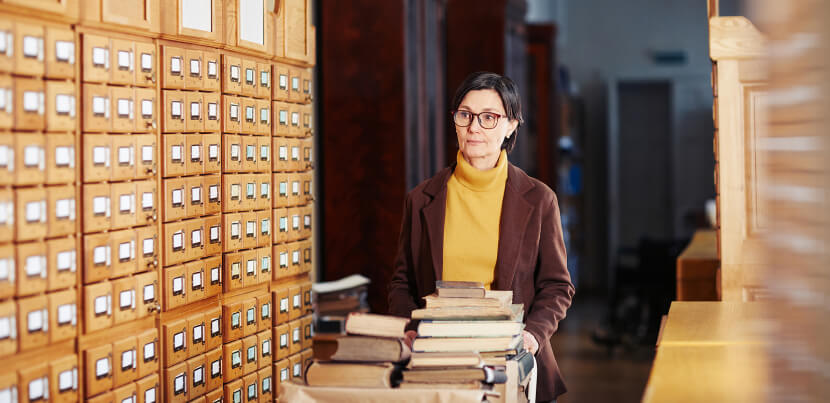
Librarians have always been guardians of knowledge, and in the 21st century, they have emerged as educators and advocates for truth. Using their expertise to guide individuals toward reliable sources, library professionals play a pivotal role in the fight for media literacy, ensuring that the community is well-equipped to tackle the challenges of the modern age.
As we have already noted, critical thinking skills and media literacy are essential in a functioning, democratic society. That’s because they support strong institutions and enable societies to hold those in power accountable.
Libraries can do their part by hosting media-literacy training workshops and by helping patrons differentiate between human writing and text generated by artificial intelligence.
Librarians can also give patrons free access to trusted journalism with platforms like PressReader, which provide readers with digital editions of newspapers and magazines.
Reaching the margins: media literacy for all
At PressReader, we believe that media-literacy education is critical for the benefit of all citizens. It’s arguably even more important for those from underserved or underrepresented populations — this can mean anyone from refugees and other migrants to people with disabilities and members of the gay or transgender communities. It might also mean the elderly, unhoused individuals or those with limited digital access.
Media literacy empowers people to critically analyze and understand the media they consume. This is especially crucial for individuals in marginalized communities who may be disproportionately targeted with biased or harmful content.
Media-literacy education can help them Hassreden entgegenwirken by enabling them to become active, critical media consumers.
Challenging bias in media messages
Underserved communities often face misrepresentation or underrepresentation in mainstream media. Media literacy enables them to recognize and challenge stereotypes and biases in media content, leading to more accurate and fair portrayals.
To support their media-education efforts, libraries can curate a diverse collection of books, magazines, newspapers and digital media that reflect the cultural backgrounds and interests of the community. This helps individuals explore different perspectives and avoid media bubbles.
Librarians should also ensure that materials and programs are accessible to non-English-speaking communities by offering resources in multiple languages. PressReader, for example, provides access to publications from all over the world in dozens of languages, and also has translation features, including Automatische Übersetzung.
Media literacy interventions in schools: teachers and librarians unite
Like librarians, teachers play a pivotal role in the fight against misinformation, but they can’t do it alone. Educators need access to the right media literacy resources to help them make the most meaningful impact possible on our youngest citizens as they move through the school system.
Public and K-12 libraries make for excellent partners in developing media literacy programs. Librarians can lend their expertise at identifying trustworthy sources, and the volume and variety of texts available at any given library can provide a wide range of entry points into media consumption.
With a robust collection of content from a variety of different sources — whether in print or via digital newsstands — public or school libraries can provide students with opportunities to explore different perspectives and worldviews.
As Margaret Kristin Merga put it in the Zeitschrift für Lese- und Schreibkompetenz bei Jugendlichen und Erwachsenen:
Not all literacy learning occurs in the typical classroom in school. School libraries can be dynamic spaces in which literacy and literature learning are fostered, because in schools, libraries are places where text, technology and literacy converge in concentrated form.
Libraries can provide hands-on experience
Many libraries make space available for community engagement and recreation, which may include offering their patrons the use of media labs, tech centers and maker spaces.
Through these facilities, students can access graphic design software, video editing and media production equipment, and other tools that will allow them to create media of their own. Libraries may also provide resources and workshops for students and other patrons interested in creating digital stories, podcasts or multimedia content.
Providing direct instruction zum Thema Recherchekompetenzen Und die Vermittlung von Methoden zur Beurteilung der Seriosität von Quellen ist eine weitere Möglichkeit, wie Bibliothekare Lehrkräfte dabei unterstützen können, Medienkompetenz in den Schulalltag zu integrieren.
Why media literacy is important for people of all ages
Vulnerable communities are often targets of online scams, cyberbullying and digital exploitation — and these are problems that aren’t confined to any particular age bracket.
Risks vary depending on the age of the internet user, among other factors, but when it comes to keeping children safe online, the Weltwirtschaftsforum hat den Kontakt mit unangemessenen Inhalten – insbesondere sexuellen Inhalten, gewalttätigen Inhalten, Hassreden sowie Inhalten zu Selbstverletzung und Selbstmord – als einen der wichtigsten Problembereiche identifiziert.
A report from IFLA recommends that public and school libraries provide internet safety lessons that cover a range of relevant topics, including rules for appropriate online behavior, cyberbullying awareness and how to avoid falling victim to identity theft and fraud.
Supporting older adult learners
While much emphasis is understandably placed on the younger generation, libraries must recognize that adults too need the tools that will allow them to understand, evaluate and even create digital content.
Seniors are especially vulnerable. If they lack the digital and media literacy necessary to spot misinformation online, as McAfee points out, “Older adults can easily fall prey to scams, conspiracies, hoaxes, and false news stories online. ” McAfee cites a 2019 study out of Princeton and NYU, which found that, prior to the 2016 election, Americans over 65 were seven times more likely than those under 29 to post articles from fake news domains.
Many public libraries already offer free instruction designed to teach computer skills to older adult learners in the community. Extending this to include media-literacy education can be an effective means of combating the spread of false and misleading information.
Libraries: countering hate speech and promoting intellectual freedom
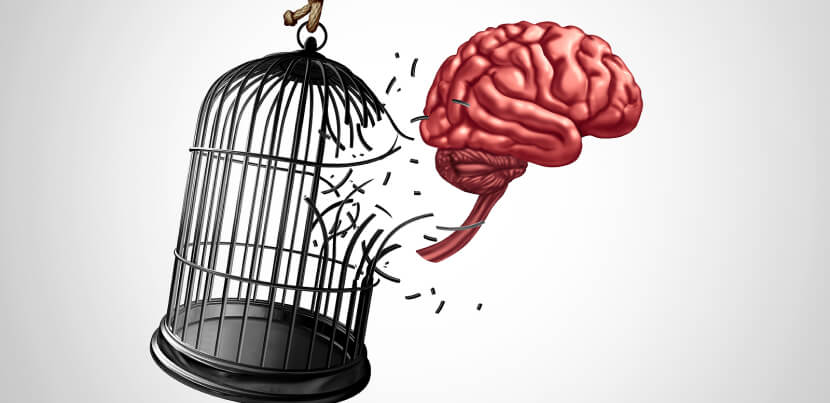
Because knowledge is power, intellectual freedom is essential to a democratic society. As the American Library Association notes, “In a democratic society, individuals must be sufficiently knowledgeable to make informed decisions.”
Libraries support this goal by providing their patrons with necessary information through a wide selection of materials from varying points of view, which is why it’s essential that such resources remain free to use for all, and that libraries stand as beacons of intellectual freedom.
Providing library users with free access to information is a critical aspect of this, but public, academic, and school librarians can take things a step further by offering media-literacy education programs designed to help patrons Hassreden entgegenwirken, werden gute digitale Bürger und sich den Herausforderungen eines changing information landscape.
Bad news travels fast, and in the new media landscape, disinformation and hate speech can spread even faster. By promoting media literacy skills, libraries empower individuals to challenge and counter such narratives, fostering a society based on understanding and mutual respect.
It’s important for readers to engage with ideas and info from across the political spectrum, and it’s equally crucial for them to be able to apply critical-thinking skills to a world rife with misinformation.
By introducing them to sources of trusted journalism, librarians can help counter disinformation by opening patrons’ eyes to the wide range of thoughts, ideas and perspectives to be found in genuine journalistic content.
Teaching media literacy: challenges and opportunities
The digital landscape is always evolving. As we look to the future, libraries will continue to play a pivotal role in shaping the narrative around media literacy. By staying abreast of technological advancements and adapting their media education programs accordingly, library professionals help ensure that their communities are always a step ahead.
Eines der Projekte der UNESCO Five Laws of Media and Information Literacy states:
Media and information literacy is not acquired at once. It is a lived and dynamic experience and process. It is complete when it includes knowledge, skills and attitudes, when it covers access, evaluation/assessment, use, production and communication of information, media and technology content.
As we navigate the complexities of the 21st century, media literacy emerges as the compass guiding us. Building the foundation of knowledge and skills that will empower us to become critical thinkers is essential to creating stable, engaged democracies and fostering better communities for us all.
Drawing on their rich legacy but fortifying it with a forward-thinking approach, libraries are fulfilling their vital role by ensuring that their communities are equipped for the journey ahead. After all, media literacy is not just a skill; it’s a lifeline in the digital age.


 English
 French
 German
 Italian
 Portuguese
 Spanish