


What does it mean to be global citizen? It really depends on who you ask.
As higher-education policy expert Madeleine Green wrote a few years back, “A foray into the literature or a look at the many ways colleges and universities talk about global citizenship reveals how broad a concept it is and how different the emphasis can be depending on who uses the term.”
To simplify things, let’s just say that being a global citizen means recognizing that one’s identity and responsibilities extend beyond national borders, and that one is part of a global community with shared values and challenges.
Being a global citizen entails a mindset that promotes diversity and values inclusivity, cooperation and a sense of shared responsibility for the planet and all its inhabitants.
Shaping the next generation
According to United Nations Educational, Scientific and Cultural Organization (UNESCO) report titled “Erziehung zur Weltbürgerschaft im digitalen Zeitalter”, … ist es für Pädagogen wichtiger denn je geworden, sich auf die Heranbildung der nächsten Generation globaler Bürger zu konzentrieren:
Heute stehen wir vor großen Herausforderungen, darunter die rasante Ausbreitung gewalttätiger und hasserfüllter Ideologien, Menschenrechtsverletzungen, Konflikte, Flüchtlingskrisen und zunehmende Unsicherheiten im Zusammenhang mit dem Klimawandel. Bildung muss Lernende dabei unterstützen, Empathie und Fürsorge für die Menschen und den Planeten zu entwickeln und dadurch zu Akteuren des Wandels zu werden, die Gesellschaften verändern.
That report was aimed at teachers and school librarians, but college and university libraries can also play a key part in promoting diversity and inclusion and empowering students to develop empathy and critical-thinking skills.
Siehe auch:
- Preserving Indigenous languages: Libraries have a role to play
- Bibliotheken und geistige Freiheit fördern informierte, engagierte Bürger
- Medienkompetenz und bürgerschaftliches Engagement: Bürger zur Teilnahme am demokratischen Diskurs befähigen


Aspects of global citizenship
Let’s start by taking a deeper dive into what it means to be a global citizen. Here are 10 key aspects of global citizenship:
- Awareness of global issues
- Understanding and staying informed about global challenges such as climate change, poverty, inequality, human rights and public health.
- Respect for diverse populations
- Appreciating and respecting cultural, ethnic and religious diversity. This includes being open to different perspectives and learning from various cultural traditions and practices.
- Commitment to social justice and human rights
- Advocating for and supporting the protection of human rights and social justice for all people, regardless of their background, sexual orientation or physical ability.
- Sustainability and environmental responsibility
- Taking action to protect the environment and promote sustainable practices to ensure the well-being of future generations.
- Ethical consumption and economic responsibility
- Making informed and ethical choices as a consumer, understanding the global impact of one’s consumption habits and supporting fair trade and ethical businesses.
- Participation in civic and community life
- Engaging in local, national and global communities through volunteering, advocacy and participation in democratic processes.
- Interconnectedness and collaboration
- Recognizing the interconnectedness of all people and working collaboratively with diverse groups across borders to solve global problems.
- Empathy and compassion
- Showing empathy and compassion towards others, learning about their struggles and being willing to help and support those in need.
- Commitment to education and lebenslanges Lernen
- Pursuing education and personal growth continuously to better understand the world and contribute positively to society.
- Advocacy and activism
- Actively advocating for policies and practices that promote peace, justice and equality at the local level as well as on a global scale.
The role of academic librarians
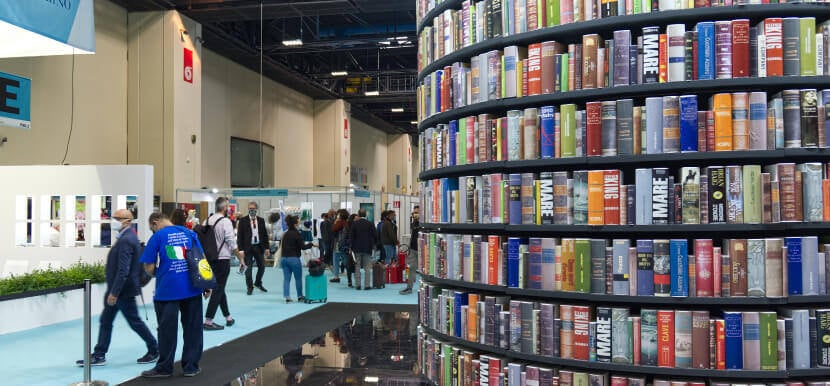
Academic librarians can play a role in fostering global citizenship among students through various initiatives, library services and resources that promote diversity and encourage an open-minded approach. Here are a few ways to do this:
- Diverse library collections
- International materials: Libraries can focus on collection development, building a library catalog that includes diverse books, journals, and multimedia from various cultures and countries, exposing students to global perspectives as well as new ideas from marginalized communities.
- Multilingual resources: Providing resources in multiple languages helps students access information in their native languages and learn new ones. PressReader ist ein hervorragendes Beispiel dafür: Mit Publikationen aus über 120 Ländern in mehr als 60 verschiedenen Sprachen ermöglicht es den Nutzern, ihre Lieblingsinhalte von zu Hause aus und aus aller Welt zu lesen.
- Cultural programs and events
- Guest lectures and seminars: Host speakers from different countries and cultures to discuss global issues and perspectives. A Veranstaltung „Lebendige Bibliothek“ can provide a great opportunity for this.
- Cultural exhibits and festivals: Organize events that celebrate different cultures, such as international film screenings, cultural festivals and exhibitions.
- Collaborative projects and exchanges
- International research collaborations: Facilitate research projects that involve students and faculty from institutions around the world.
- Study abroad programs: Provide resources and support for study abroad programs, including partnerships with libraries in other countries.
- Media and information literacy and critical thinking
- Workshops and courses: Offer training on how to find, evaluate and use information from a global perspective.
- Global issues research guides: Creating research guides that focus on global issues can help students understand and engage with topics like climate change, human rights and international politics. Libraries that use PressReader can make these resources accessible on students’ own devices by uploading them to the platform using the Funktion „Selbstveröffentlichung“.
- Technology and access
- Digital tools and resources: Providing access to international digital libraries and archives (in addition to a digital news platform like PressReader) allows students to explore global historical and contemporary documents.
- Virtual reality and interactive learning: Use virtuelle Realität, Augmented Reality and other interactive technologies to create immersive experiences that teach students about different cultures and global issues.
- Community and engagement
- Global student organizations: Support student organizations focused on international issues and cultural exchange.
- Service learning and volunteering: Promote opportunities for students to engage in global service learning and volunteer projects.
- Awareness campaigns and advocacy
- Themed months and awareness campaigns: Organize events and campaigns around global awareness themes such as World Refugee Day, International Women’s Day and Earth Day. You will find a list of these international commemorations on the UNESCO-Website.
- Advocacy for open access: Supporting open access initiatives to ensure equitable access to information globally.
Übersehen Sie die digitale Bürgerschaft nicht
The UNESCO report we cited above informs us that in 2023, 79% of the world’s youth between the ages of 15 and 24 were using the internet.
In unserer vernetzten modernen Welt dürfen wir nicht außer Acht lassen, dass Weltbürgerschaft auch bedeutet, ein guter digitaler Bürger zu sein, was MediaSmarts (Kanadas Zentrum für digitale Medienkompetenz) definiert dies wie folgt:
Digitale Kompetenz ist die Fähigkeit, sich sicher und verantwortungsbewusst in unseren digitalen Umgebungen zurechtzufinden und sich in diesen Räumen aktiv und respektvoll zu beteiligen.
Die Europarat hat eine weiter gefasste Definition und fügt hinzu, dass die Bürger heute in einer Welt leben, die zu einem “komplexen Geflecht aus physischer Realität, Technologien, digitalen Medien und sozialen Netzwerken” geworden ist, das uns vor neue Herausforderungen stellt und neue Chancen eröffnet.
Digitale Bürger verhalten sich verantwortungsbewusst
In diesem Zusammenhang bezieht sich der Begriff “digitale Bürgerschaft” auf „die Fähigkeit, sich aktiv, kontinuierlich und verantwortungsbewusst in Gemeinschaften (auf lokaler, nationaler und globaler Ebene sowie online und offline) auf allen Ebenen (politisch, wirtschaftlich, sozial, kulturell und interkulturell) einzubringen“:
Digitale Bürgerschaft umfasst daher:
- kompetenter und positiver Umgang mit digitalen Technologien (gestalten, arbeiten, teilen, Kontakte knüpfen, forschen, spielen, kommunizieren und lernen);
- sich aktiv und verantwortungsbewusst (Werte, Einstellungen, Fähigkeiten, Wissen) in Gemeinschaften (lokal, national, global) auf allen Ebenen (politisch, wirtschaftlich, sozial, kulturell und interkulturell) einzubringen;
- sich an einem doppelten Prozess des lebenslangen Lernens (in formalen, informellen und nicht-formalen Kontexten) zu beteiligen und sich kontinuierlich für die Würde des Menschen einzusetzen.
Fundamental human values

Access to information € whether it comes from print or digital resources € is important for students at all stages, whether they’re writing book reports in their high-school libraries or doing post-grad work in health sciences at research libraries. It’s also critical for sustaining democracy.
According to the IFLA-UNESCO Public Library Manifesto 2022, freedom and prosperity are fundamental human values that can only be attained when well-informed citizens are able to exercise their democratic rights and to play an active role in society.
This is where media and information literacy (which we touched upon earlier) comes in. Once again quoting the UNESCO report on the importance of global citizen education:
To have a positive impact on society, learners need to know where and how to access trustworthy information and what to do when they encounter misinformation and dis-information. They
need to be able to critically analyze information to evaluate its authenticity, value, and relevance.
Promoting active participation
Per UNESCO’s Leitlinien für Richtlinien und Strategien zur Medien- und Informationskompetenz, kann die Vermittlung von Medienkompetenz zu einer stärkeren Bürgerbeteiligung an der Gesellschaft führen, was folgende positive Auswirkungen haben kann:
- Aktivere und demokratischere Teilhabe: UNESCO cites scholarly research suggesting that in addition to having positive effects on academic outcomes, information literacy and media literacy predispose citizens towards taking a more active role in society. Media and information literacy (MIL) €œis a basis for Meinungsfreiheit, „… Zugang zu Informationen und hochwertige Bildung für alle“, heißt es in den Leitlinien. „Ohne Medien- und Informationskompetenz können Bürger nicht gut informiert sein, da sie keinen Zugang zu Informationen haben und nicht in der Lage sind, diese zu verarbeiten und zu nutzen.“
- Bewusstsein für ethische Verantwortlichkeiten im Rahmen der Weltbürgerschaft: Media literacy deepens citizens’ understanding of such fundamental rights as freedom of opinion, expression and communication and the balance between these rights and ethical responsibilities at the personal and societal level. By linking these responsibilities with the concept of global citizenship, media literacy education empowers all citizens to respect and promote the rights of others.
- Förderung von Vielfalt, Dialog und Toleranz: MIL fördert eine stärkere Einbindung der Gesellschaft und ist damit ein wirkungsvolles Instrument, um den interkulturellen Dialog, Toleranz und kulturelles Verständnis in verschiedenen Bereichen der Gesellschaft und in allen Altersgruppen zu fördern.
Academic libraries can do their part by offering workshops on how to spot misinformation (which has become an even more pressing challenge in the age of artificial intelligence) and by making trustworthy information available through resources such as PressReader.


 English
 French
 German
 Italian
 Portuguese
 Spanish